Trusted Vancouver Locksmith Service Team
Local locksmith team
Oct 2, 2026 14 min read
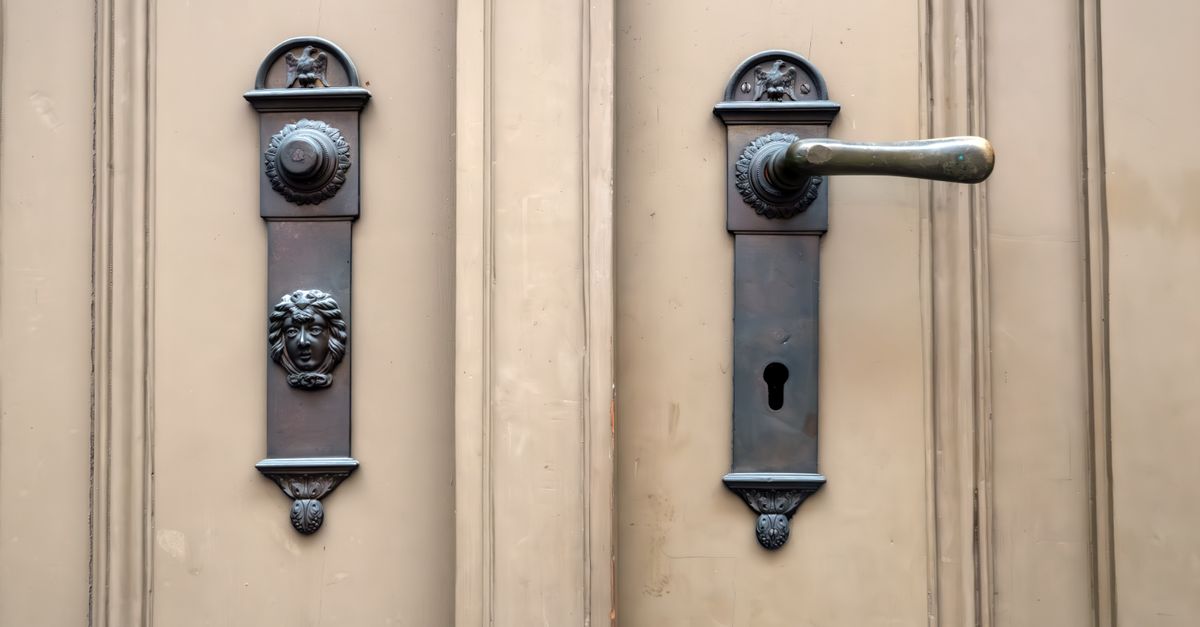
If you own an older home in Vancouver, WA — say, a Craftsman bungalow near Esther Short Park or a mid-century ranch off Fourth Plain Boulevard — there's a good chance the locks on your doors don't look quite like what you'd find at a big-box hardware store today. That's because many homes built before the 1970s were fitted with mortise locks, a completely different internal mechanism from the cylindrical knob locks most people are used to. Knowing which type you have isn't just trivia: it directly determines who can service it, what parts are needed, and how long a repair or replacement will take.
This guide will walk you through exactly how to tell a mortise lock from a standard door knob lock, explain why that distinction matters when something goes wrong, and help you make smarter decisions about your home's security — before you're standing outside in the rain at midnight wondering why a basic knob replacement didn't fix anything.
## What Is a Mortise Lock — and How Does It Differ from a Door Knob Lock?
A mortise lock is a self-contained metal case — called a pocket or mortise box — that is recessed into a deep rectangular cavity cut directly into the edge of the door. Inside that case lives a full locking mechanism: a latch bolt, a deadbolt, sometimes a night latch, and the internal cam that connects to both the knob or lever on the face of the door and the key cylinder. Because all of those working parts live inside one robust housing, a mortise lock set is significantly more complex than a cylindrical lock, and historically far more secure. You can usually identify one instantly by looking at the edge of your door: if you see a long, rectangular metal faceplate (often three to six inches tall) instead of a small round latch, you almost certainly have a mortise lock.
A door knob lock — also called a cylindrical or knob lock — works very differently. The locking mechanism is built into the knob itself and passes through a relatively small, round bore hole in the door. When the knob is turned or a key inserted, a simple spring latch or deadlatch engages. These are the standard door knob with lock and key sets you'll find on most homes built after the 1970s. They're easier to install and replace, parts are widely available, and any experienced locksmith can service them quickly. The trade-off is that a knob lock alone — without a separate deadbolt — offers less resistance to forced entry than a properly functioning mortise system. So if your older Vancouver home still has its original mortise hardware, that's actually a security asset worth maintaining, not replacing.
## How to Tell Which Lock Is Inside Your Door Right Now
You don't need to disassemble anything to figure out which system you have. Start at the edge of your door — the narrow strip of wood you see when the door is open. A mortise lock will show a tall, narrow faceplate, usually brass or steel, running several inches along that edge. A cylindrical knob lock will show only a small round or square latch plate, maybe an inch or two tall at most. Next, look at the door face itself: mortise hardware often uses a full escutcheon plate — a decorative metal surround that spans the entire area between the knob and the keyhole, sometimes six to eight inches long. Cylindrical locks have separate, smaller rose plates around each knob.
You can also check the door thickness and the depth of the bore. Mortise locks require a door that is typically 1.75 inches thick or more, and the pocket cut into the door edge can be two inches deep or deeper. If you try to remove the knob on a mortise-equipped door and discover a long spindle connecting through to a box inside the door, that confirms it. One important practical note: if you search online for 'how to pick a door knob lock' because you're locked out, stop — and call a professional instead. Attempting to pick or force either lock type without the right tools and training can permanently damage the mechanism, and on a mortise lock, that damage can be expensive and difficult to reverse. The safer move is always to verify whether a spare key or unlocked entry point is available, and if not, call a qualified locksmith.
## Why Your Lock Type Changes Everything About Repair and Replacement — Emergency Locksmith Considerations
Here's the scenario that catches a lot of Vancouver homeowners off guard: a key breaks off inside the lock, or the latch stops retracting, and a call goes out for an emergency locksmith. If the technician arrives expecting a standard cylindrical knob lock and finds a mortise lock set instead, the job changes completely — in terms of parts, tools, and time required. Mortise mechanisms have internal components like the cam follower, the rollers, and the case spring that simply don't exist in a cylindrical lock. Sourcing parts for older or European-style mortise units can take time, especially for antique hardware in historic Vancouver homes.
The factors that shape your final service quote include the lock type (mortise jobs are more involved than cylindrical ones), the specific brand or age of the hardware, the time of day the call comes in, travel distance to your address, and whether parts need to be sourced or are carried on the truck. At Trusted Vancouver Locksmith, we confirm an exact up-front price before any work begins — no surprises on the invoice. We're a 24/7 mobile team, which means whether it's a Sunday evening on the Columbia River waterfront or a Tuesday afternoon near Vancouver Mall, a trained technician can be on the way to you. If you're not sure what type of lock you have, just describe what you see when you call — we'll help you figure it out before we dispatch. Call us at (704) 850-6756 any time.
## What Locksmiths Actually Do With Mortise Locks — and a Note on Commercial Locksmith Work
People often ask what locksmiths usually do beyond simply cutting keys. The honest answer is that the job spans a wide range of mechanical and security work. For residential mortise locks specifically, skilled technicians perform case disassembly and internal cleaning, lever and cam replacement, cylinder rekeying (so existing keys no longer work and new ones are cut), full mortise lock set replacement when the case is worn or damaged, and escutcheon and trim upgrades when homeowners want to modernize the look without losing the mortise system. In fact, rekeying a mortise lock is one of the most cost-effective security steps you can take when you move into an older Vancouver home — you don't know how many copies of the original key are floating around the neighborhood.
On the commercial locksmith side, mortise locks are still the standard in older office buildings, retail storefronts, and multi-unit residential properties throughout the greater Vancouver area. Commercial-grade mortise hardware is built for high daily cycle counts and often includes features like classroom functions, storeroom locks, and passage modes that a standard door knob with lock simply can't replicate. Our team services both residential and commercial mortise systems, from a single vintage door in a historic home to a full building rekey after a tenant turnover. The scope of work our technicians handle on any given day includes: residential lockouts, commercial lockouts, mortise lock repair and replacement, cylindrical lock repair and replacement, deadbolt installation, master key system setup, door hardware consultation, key duplication, lock rekeying, broken key extraction, mailbox lock service, garage door lock service, sliding door lock repair, window lock installation, access control system consultation, safe opening, safe combination changes, car lockouts, transponder key programming, key fob replacement, ignition lock service, high-security lock upgrades, panic bar and exit device service, door frame and strike plate reinforcement, and after-hours emergency response for both residential and commercial clients.
## Making a Smart Decision for Your Older Vancouver Home's Security
Vancouver, WA has some genuinely distinctive neighborhoods when it comes to housing stock. The Arnada and Hough neighborhoods, both listed on the National Register of Historic Places, are filled with pre-war homes that still have their original mortise hardware — complete with skeleton key cylinders. Uptown Village and the blocks surrounding Officers Row on the old Fort Vancouver site have similar character. If you own a home in these areas, the instinct to simply swap out an aging mortise lock for a modern cylindrical door knob lock is understandable, but think carefully before you do it. Converting from mortise to cylindrical requires filling the old mortise pocket, re-boring the door, and potentially reinforcing the door edge — it's a more involved job than it sounds, and you may lose hardware that adds both character and resale value.
A better approach for most homeowners is to have an experienced locksmith assess the existing mortise lock set, determine whether it can be serviced or rekeyed, and recommend a modern high-security cylinder that fits the existing case. That keeps your door intact, maintains the security benefits of the mortise design, and costs less than a full conversion in most cases. If the case is genuinely beyond repair — worn beyond function or damaged — a like-for-like mortise replacement is usually still possible and preserves the door's integrity. Whatever direction you decide to go, knowing what you have is the essential first step. And if you're ever locked out, dealing with a broken lock late at night, or just not sure whether your current setup is as secure as it should be, our team is available around the clock. Call Trusted Vancouver Locksmith at (704) 850-6756 — we answer 24/7 and can walk you through your options before we ever touch a tool.
## Hiring a Vetted Locksmith vs. Online Matching Services — What Vancouver Homeowners Should Know
Some homeowners, when facing a lock issue, turn to online platforms that promise to match them with several local pros after entering a zip code. The pitch is convenience, but there are real trade-offs worth understanding before you hand over your address and lock details. Matching platforms are directories, not quality guarantors — the vetting processes vary widely, and you often have limited information about who will actually show up. When it's your home's security or a late-night lockout on the line, 'matched with up to 3 pros' is a very different experience from calling a named, local business with a direct line and an insured mobile team you can verify.
The most reliable way to hire a vetted locksmith is to call a specific company directly, ask whether they are insured, confirm that a real technician (not a subcontractor dispatched through an app) will be doing the work, and get the final price confirmed before anyone starts. At Trusted Vancouver Locksmith, every call comes directly to our team — there's no matching algorithm in the middle. Our technicians are trained and experienced on a full range of residential and commercial lock systems, including mortise locks, and we carry the parts most commonly needed for older Vancouver homes. Whether your question is about a door knob lock that stopped latching or a century-old mortise mechanism that needs a new cylinder, you'll get a straight answer and a clear quote when you call (704) 850-6756.
## Security Reality Check: Is Your Current Setup Doing Its Job?
A door knob with lock as the sole barrier on an exterior door — no separate deadbolt, no reinforced strike plate — is not a strong security configuration regardless of how new the hardware is. If your older Vancouver home was built with a full mortise lock set as its primary locking mechanism, you may actually have better inherent security than a neighbor with a basic modern knob lock, provided the mortise mechanism is in good working condition. The key word is condition: a mortise lock that is worn, dry, or has a loose cylinder can be more vulnerable than a properly maintained cylindrical lock with a quality deadbolt.
A simple security walk-through with one of our technicians takes only a few minutes and can tell you definitively whether your existing hardware is performing the way it should. We'll check cylinder engagement, bolt throw length, strike plate anchoring, and door-to-frame alignment — all factors that matter more than the brand name on the faceplate. If upgrades make sense, we'll explain why and what the options are. If your current setup is solid, we'll tell you that too. Home security decisions should be based on real information, not guesswork — and that starts with knowing exactly which locks are on your doors.
## Mortise Lock Maintenance: Small Steps That Prevent Big Repairs
One reason mortise locks develop problems in older homes is simply neglect — these mechanisms were built to last generations, but they still need occasional lubrication and inspection. Dry internal components lead to sticking latches, difficult key turns, and eventually broken cams or followers. The fix is straightforward: a dry graphite lubricant or a Teflon-based spray (avoid oil-based lubricants, which attract grit) applied to the keyway and latch mechanism once a year can dramatically extend the life of an older mortise case. If the bolt is starting to stick or the key requires extra force to turn, that's your signal to call before the lock fails completely — a serviced lock is always less expensive to deal with than an emergency extraction or a full replacement done under pressure at an inconvenient hour.
If you're not sure when the lock was last serviced, or if you've just moved into a home in one of Vancouver's older neighborhoods, scheduling a proactive lock inspection is one of the smartest things you can do in your first month of ownership. It gives you a clear baseline on the condition of every entry point, identifies any cylinders that should be rekeyed, and flags any hardware that's approaching end of life. Our mobile team can cover your entire home in one visit — no need to schedule separate appointments for different doors. Call (704) 850-6756 to arrange a visit at a time that works for you.
## FAQs: Mortise Locks and Door Knob Locks in Vancouver Homes
Frequently asked questions
What is a mortise lock, and how do I know if my Vancouver home has one?+
A mortise lock is a locking mechanism housed inside a rectangular metal case that is set into a deep pocket cut into the edge of your door. Unlike a cylindrical door knob lock, which only passes through a round bore hole, the mortise case contains the full latch, deadbolt, and internal cam system in one unit. The easiest way to identify one: open your door and look at the edge. If you see a tall, narrow metal faceplate — often three to six inches long — rather than a small round latch plate, you almost certainly have a mortise lock. Many older homes in Vancouver neighborhoods like Arnada, Hough, and Uptown Village still have their original mortise hardware.
Can I replace a mortise lock with a regular door knob lock?+
Technically yes, but it is not a simple swap. Converting from a mortise lock to a standard cylindrical knob lock requires filling the existing mortise pocket in the door edge, re-boring a new round hole, and often reinforcing the door frame. In many older Vancouver homes, this also means losing hardware that adds historical character and potentially resale value. In most cases, we recommend having an experienced locksmith assess whether the existing mortise lock set can be serviced, rekeyed, or upgraded with a modern high-security cylinder — that approach is typically less disruptive and more cost-effective than a full conversion.
What factors affect the cost of repairing or replacing a mortise lock?+
Several factors come into play: the specific type and age of your mortise lock set, whether parts need to be sourced for older or European-style hardware, the extent of the damage or wear, the time of day the service is needed, and travel distance to your location. Mortise lock work is generally more involved than servicing a standard door knob lock, so the quotes will reflect that additional complexity. At Trusted Vancouver Locksmith, we confirm an exact up-front price before any work begins, so you know the full cost before we start. Call (704) 850-6756 for a direct answer based on your specific situation.
Is it safe to try to pick a door knob lock myself if I get locked out?+
We strongly advise against it. Attempting to pick or force any lock without proper training and tools — whether it is a door knob lock or a mortise lock — risks permanently damaging the mechanism, which turns a minor lockout into a much more expensive repair or replacement. The right steps when locked out are to check whether a spare key is accessible, see if another entry point is unlocked, and if neither option works, call a professional locksmith who can open the door without causing damage. Our team is available 24 hours a day, 7 days a week, and can typically reach you faster and more safely than a DIY attempt that goes wrong.