What a Master Key System Setup Actually Involves for Commercial Properties
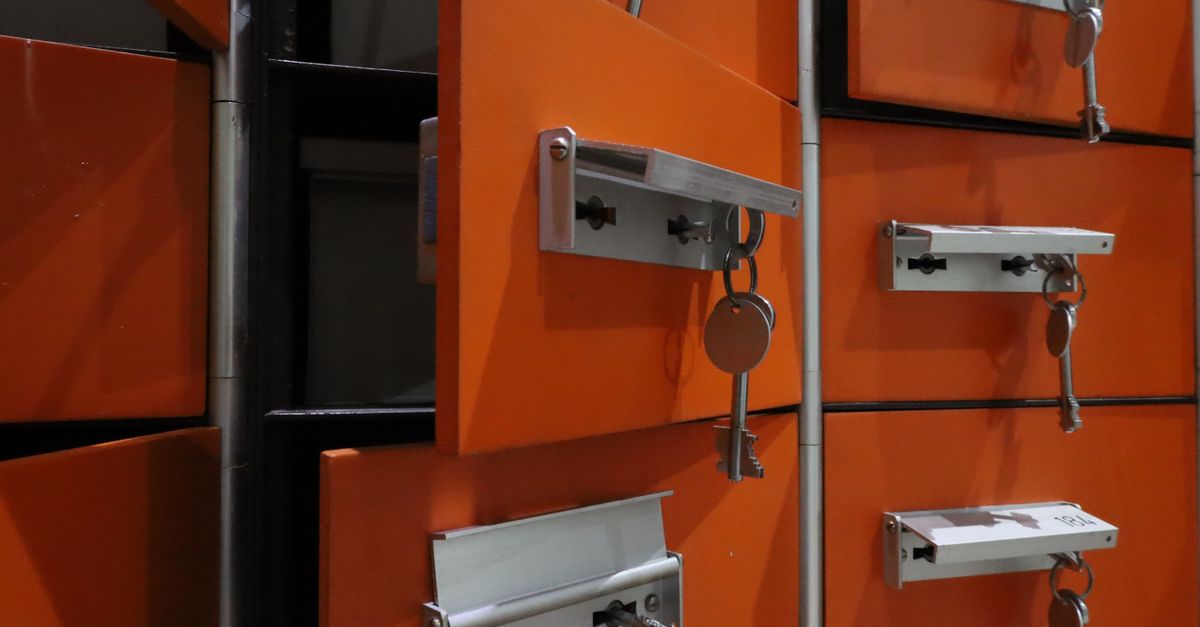
A master key system is not simply one key that opens everything — it is a tiered architecture. At the top sits the grandmaster key, which opens every lock in the building. Below that are master keys, each covering a defined zone such as an entire floor or department. Sub-master keys can be cut for supervisors who need access to a subset of those doors, and change keys — the lowest level — open only a single lock. For a business with 20, 50, or even 200 doors, mapping this hierarchy before a single cylinder is touched is the most critical step. Our technicians begin every project with an access audit: we walk your facility, document every door, identify the lock type on each — mortise lock, cylindrical knob lock, deadbolt, or padlock — and build a key-cut chart that prevents accidental cross-keying while leaving room to add doors later without rebuilding the whole system.
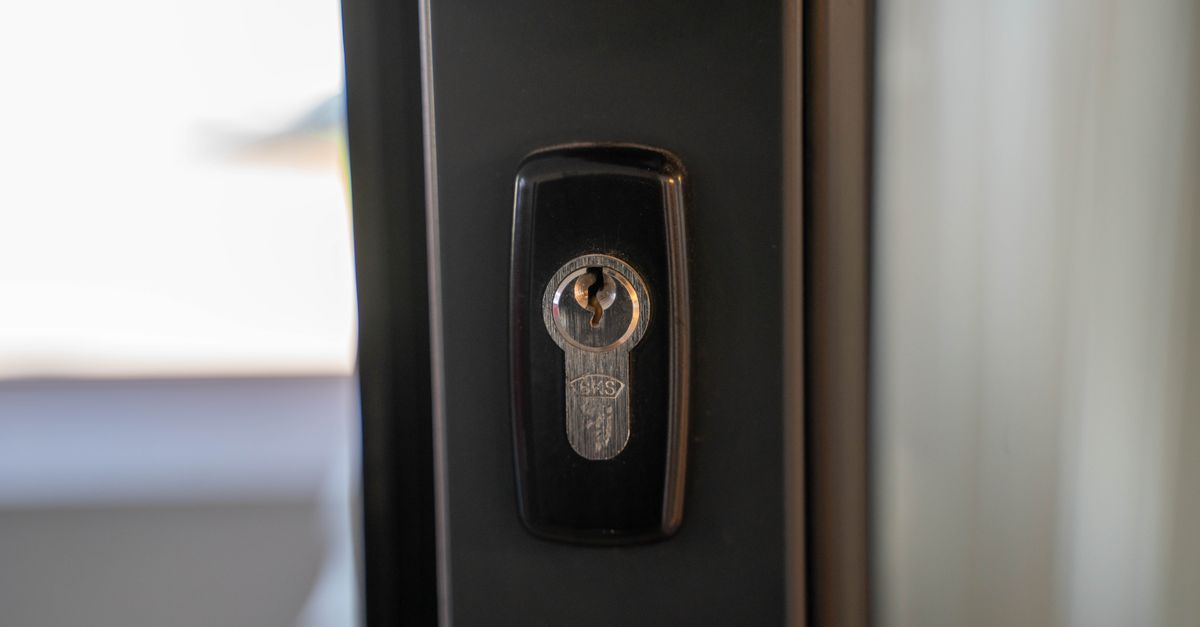
Mortise lock bodies are especially common in older commercial buildings throughout downtown Vancouver and the Esther Short neighborhood, and they require a different keying approach than standard cylindrical locks. The mortise lock's cylinder is removable and re-keyable without disturbing the latch or deadbolt mechanism, which makes it one of the most practical choices for master-keying large facilities. Our technicians are experienced with Schlage, Kwikset, and several commercial-grade mortise lock lines, and we carry replacement cylinders and master wafer sets so re-keying can happen on the spot.